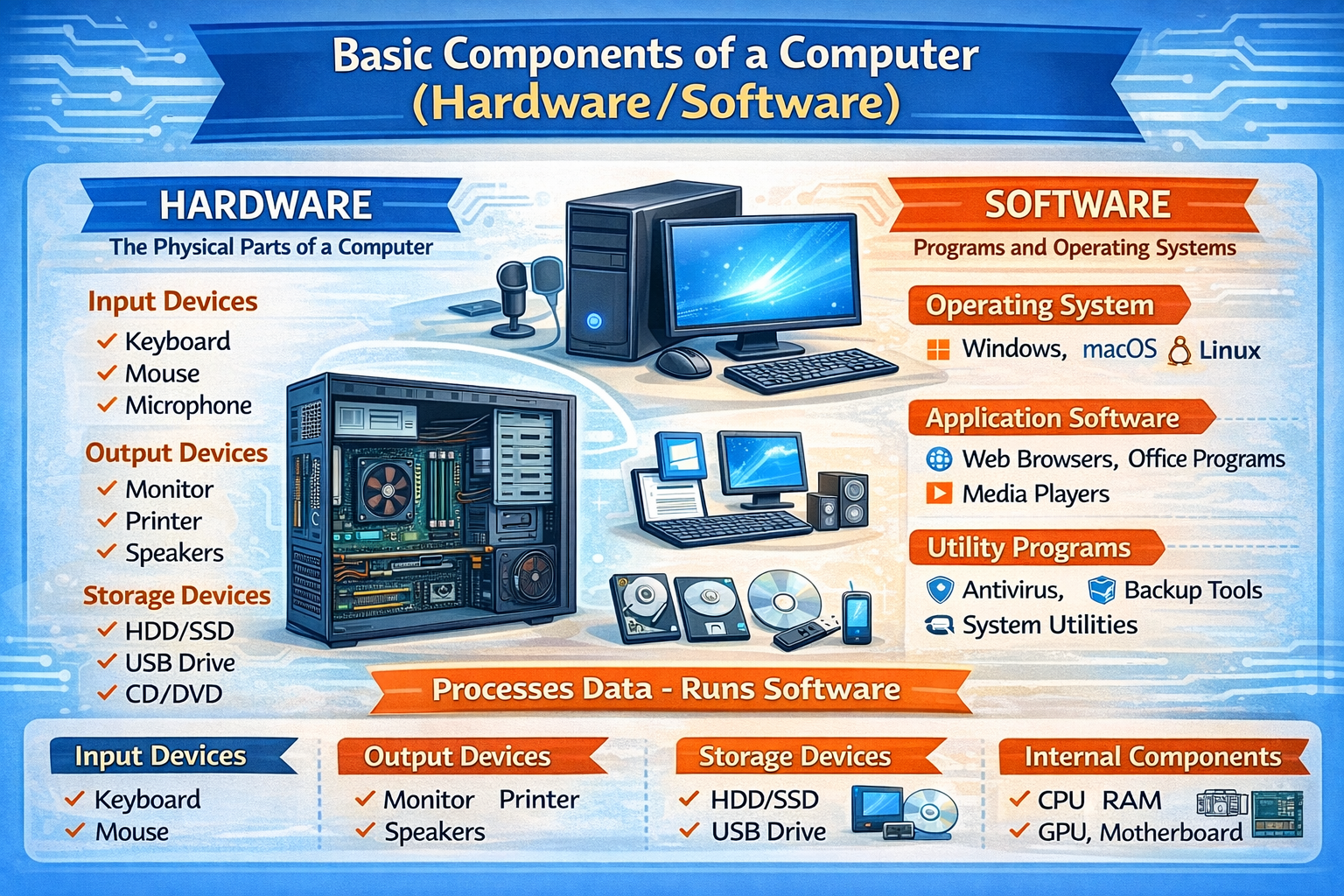
The main objective of this lecture is to introduce students to the basic components of a computer system, focusing on hardware and software.
It aims to explain the function of each component and how they work together to perform tasks efficiently.
It also seeks to develop students’ understanding of the relationship between physical devices and digital programs in computer operations.
إعلام آلي وبرمجة 1 ف1و2. عيوش
Section outline
-
-
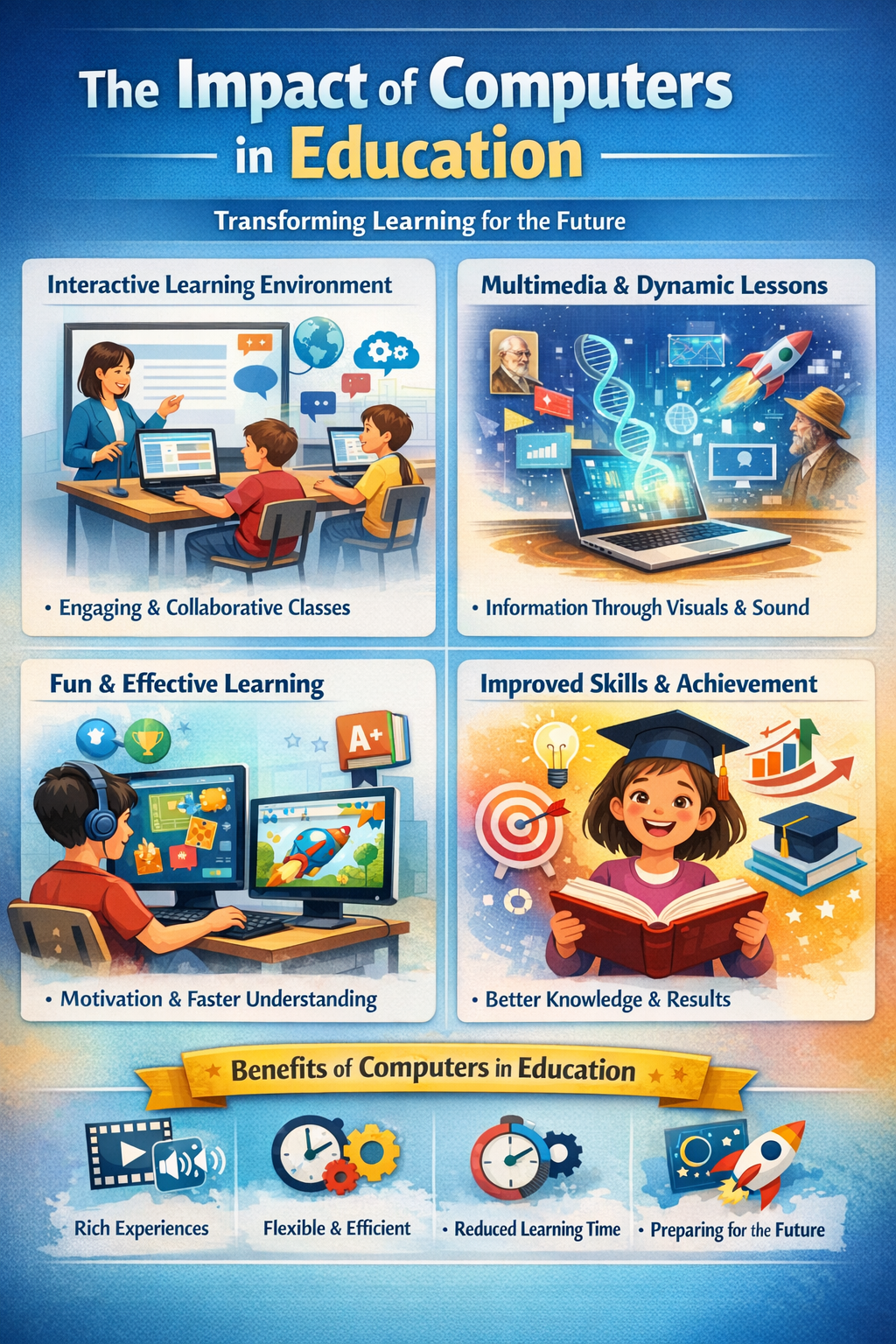
Using computers in education can genuinely contribute to achieving a humanistic goal: transforming our classrooms into spaces where thought and intelligence can grow. Computers have been introduced into education not merely as supportive tools, but as a new way of integrating technology. As a significant technological innovation, the computer plays a vital role in developing the educational system—its curricula and teaching methods—and has a direct and substantial impact on shaping and enhancing the learner’s personality. As the “language of the age,” the computer, as a modern instructional tool, has become indispensable in the educational sector, which is one of the fields most in need of strengthening its use across various institutions. This is because education is the sector responsible for preparing future generations capable of leading the nation and advancing its development.
Today, educators view the use of computers in teaching as an effective solution to many challenges faced by educational institutions, as well as a successful means of improving the quality of education and raising its standards. Learning through computers requires less time and effort and produces more accurate results. This effective role of computers has helped address several problems in educational institutions, such as the shortage of teaching materials. The computer has emerged as a response to global technological advancement, contributing to the development of life and the improvement of learning methods.
Advantages of Using Computers in the Educational Process:
-
Helping students develop positive attitudes toward subjects they perceive as difficult or complex.
-
Presenting information through sound, images, and motion, which offers learners richer experiences than traditional methods.
-
Serving as an effective tool for capturing students’ attention and motivating them to learn.
-
Creating an active and interactive learning environment within the classroom between teacher and learner.
-
Making education more comprehensive, enjoyable, flexible, efficient, and easier to use.
-
Reducing learning time and increasing achievement.
-
Providing immediate and continuous feedback to students.
Keywords: Computer, hardware components, software, operating system, folders and files.
Target Group: First year – Common Core in Arabic Literature (all groups).
-
-
Professor: aiouche naima
(A)Rank : Lecturer Professor
Specialization :
Course:ComputerScience,Coefficient:1,Credit:1
Department;Arabic Language and Literature
Faculty of Arts and Humanities
Firest year of bachelors degree
Academic year:2025/2026
Email
-
-
-
- Introduction to Computer Science – its concept, importance, and areas of use in the humanities.
- Operating System (Windows): interface, file and folder management.
- Introduction to Word Processor: opening documents, typing, saving, basic formatting.
- Formatting academic papers: titles, margins, paragraphs, insertions (images, tables...).
- Introduction to Internet research tools and academic search engines.
- University email: usage in academic communication.
- Converting files to PDF and organizing electronic documents.
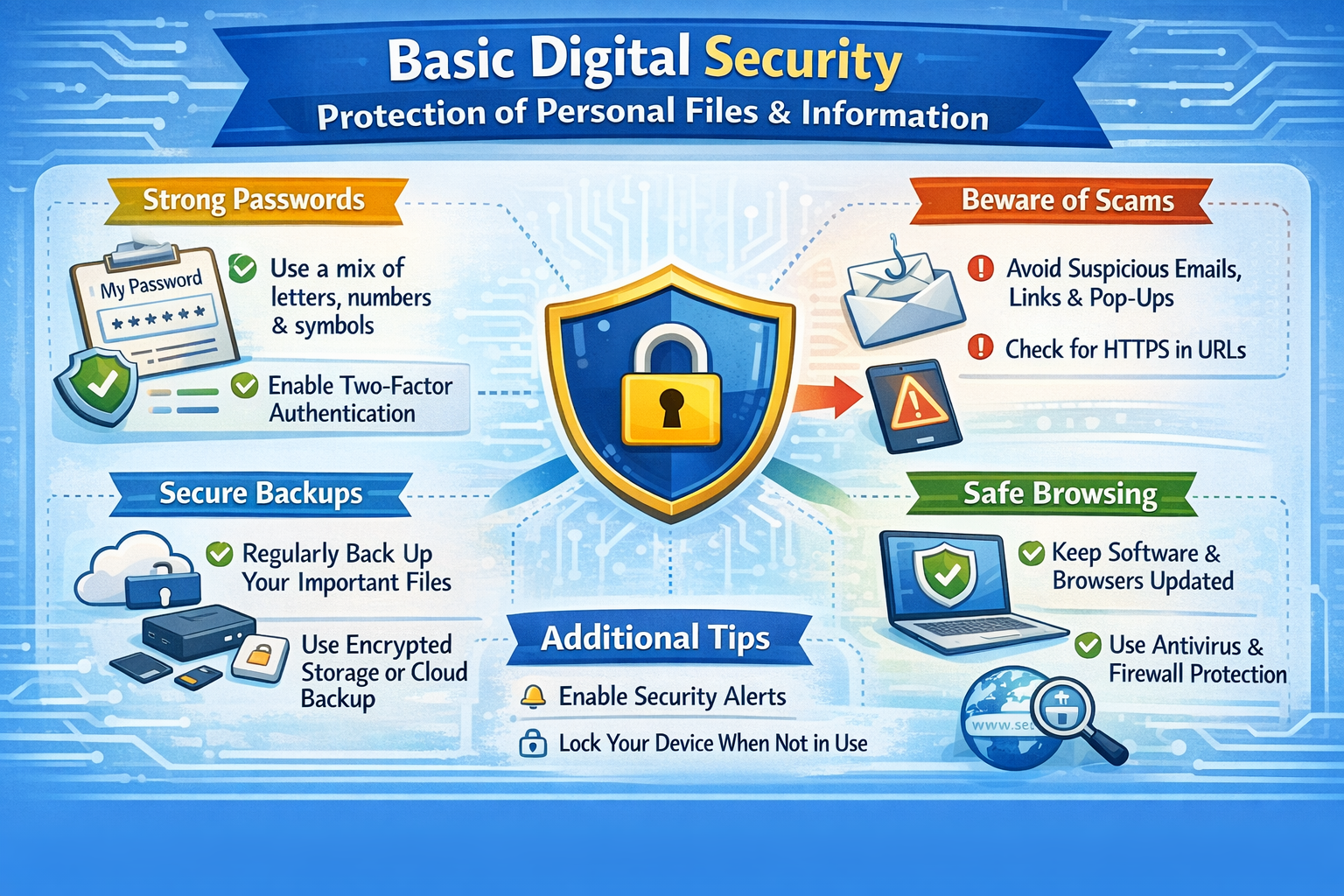
- Basic digital security and protection of personal files and information.
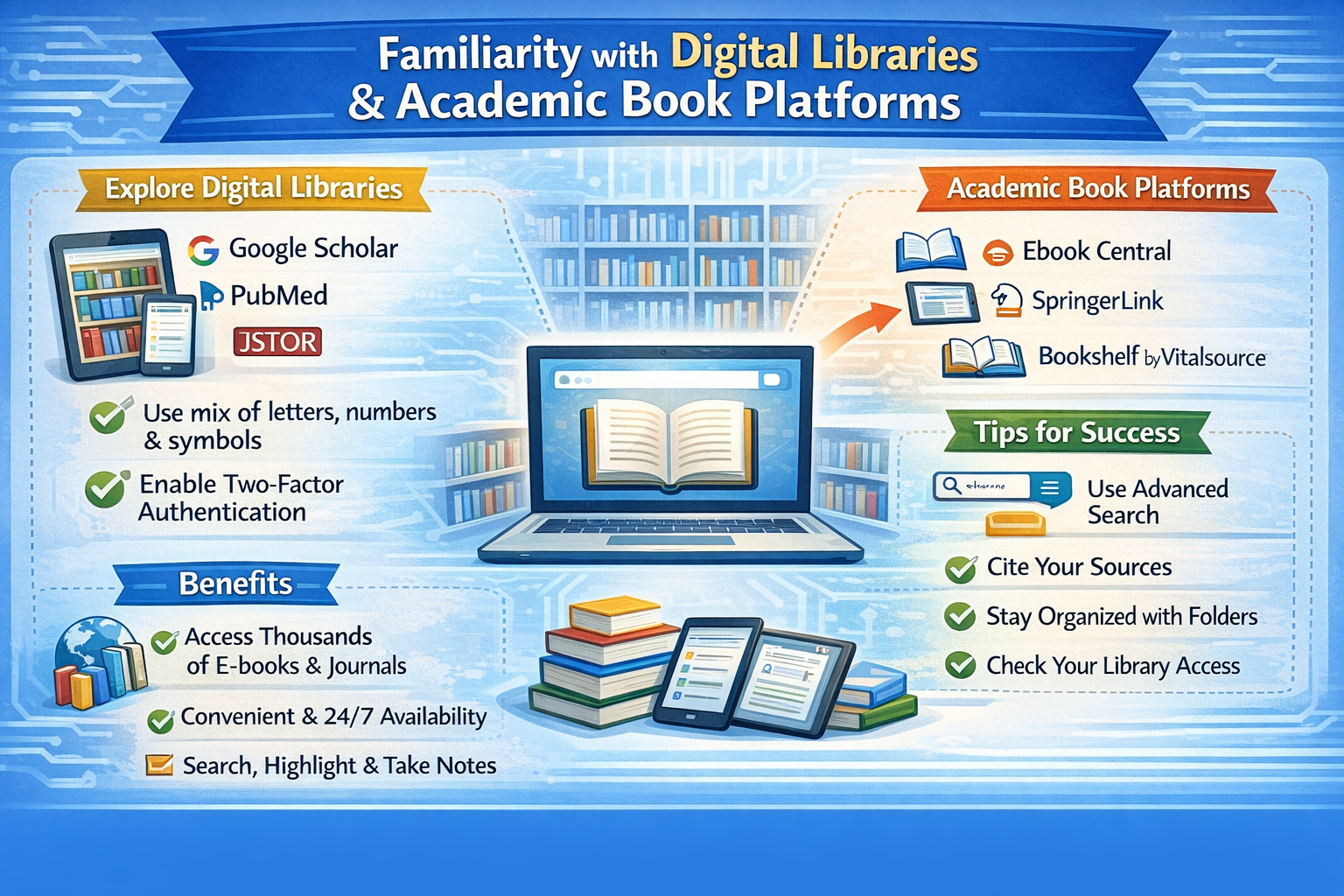
- Familiarity with digital libraries and academic book platforms.
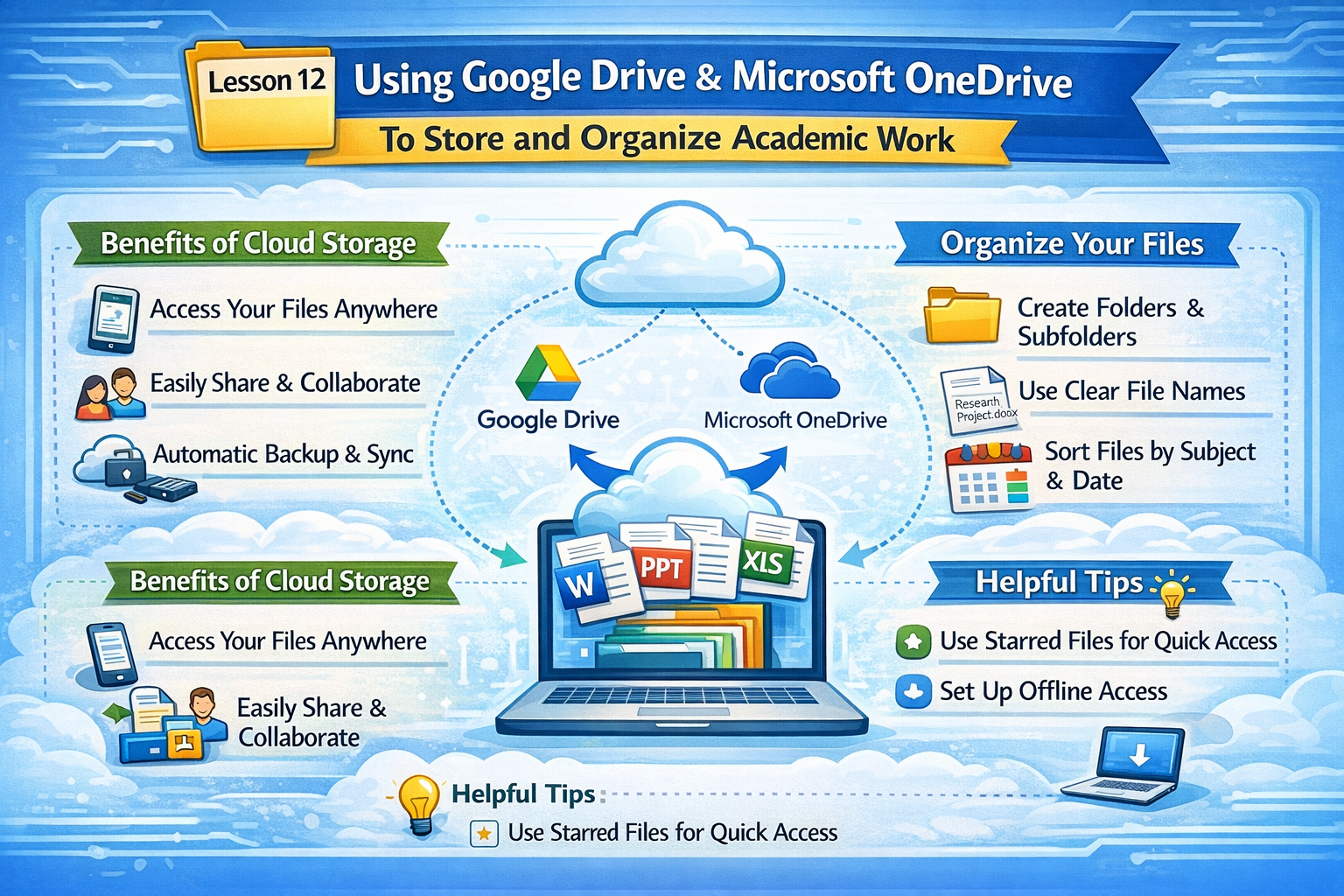
- Using Google Drive and Microsoft OneDrive to store and organize academic work.
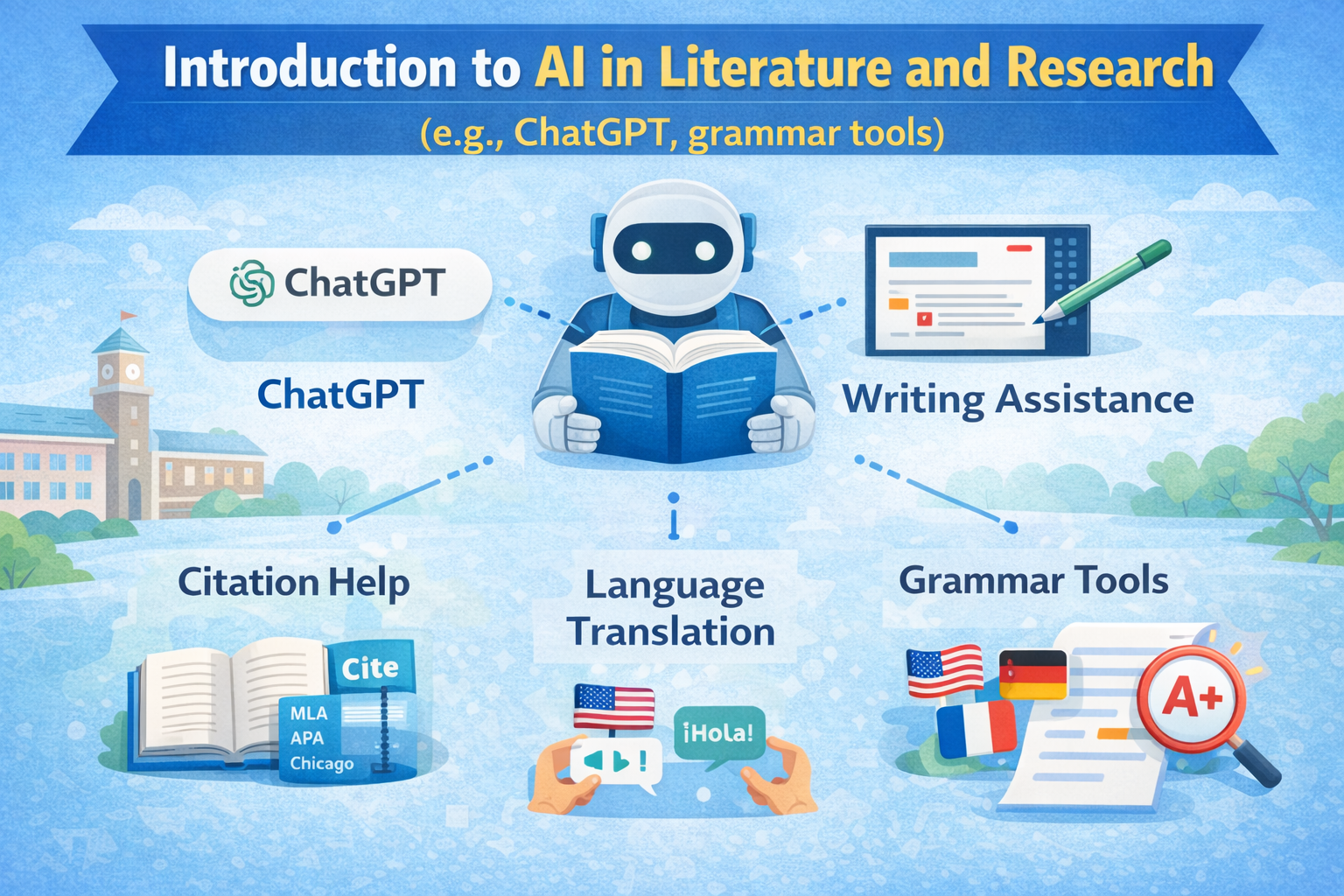
- Introduction to AI in literature and research (e.g., ChatGPT, grammar tools).
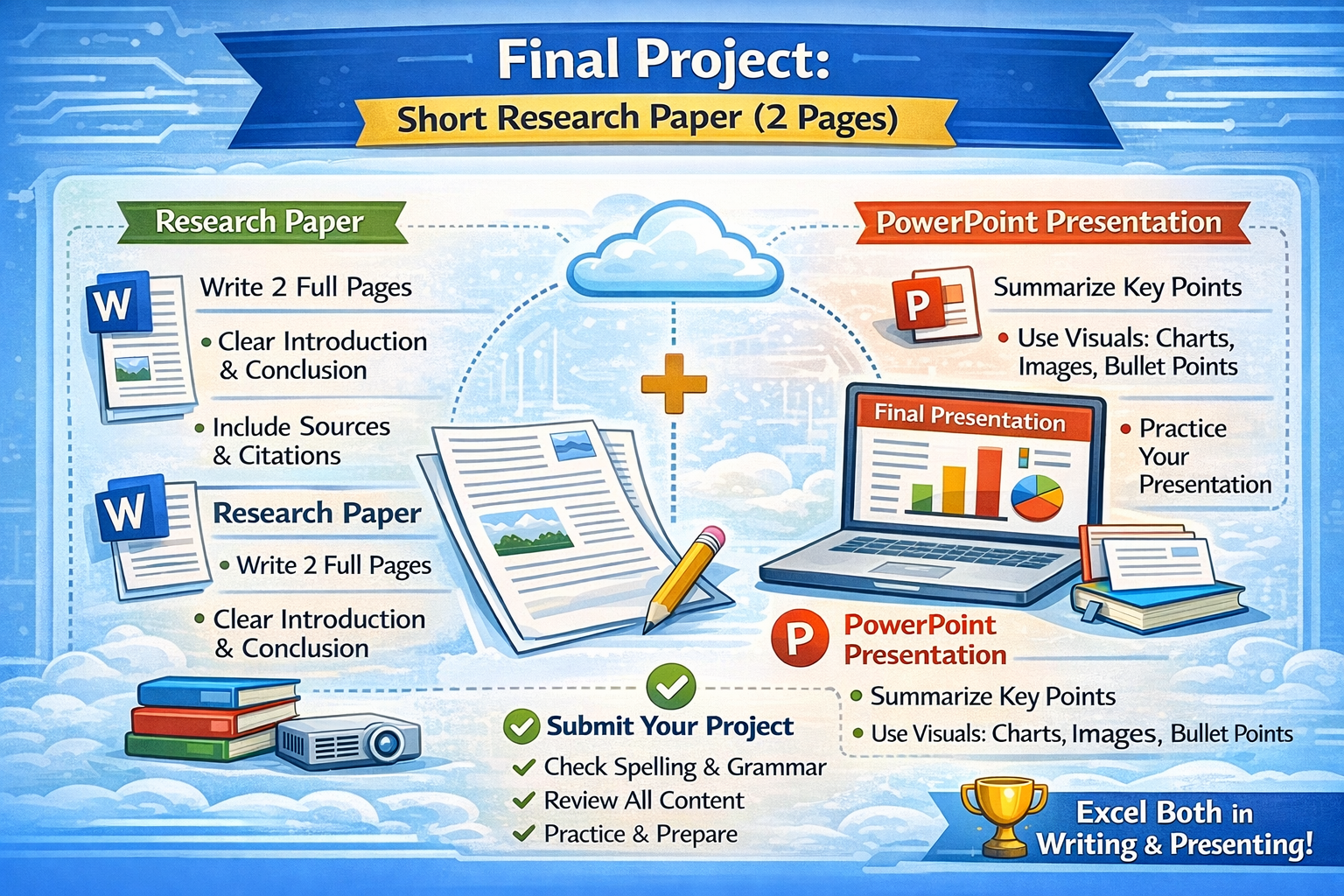
- Final project: short research paper (2 pages) using Word + PowerPoint presentation.

-
-
-
The student learns to master statistical analysis methods applied in Social Sciences and Humanities.
-
The student learns to use statistical and data analysis software, including R, SPSS, Python, advanced Excel, and JMP (licensed version).
-
The student learns to build, organize, and process text corpora collected from the Web for academic and research purposes.

-
-
-
-
- Utilisationdesoutilsinformatiquespourl’acquisition,letraitement,laproductionet la diffusion de l’information essentiellement pour les sciences sociales et humaines.
- Analysedesdonnéesd’enquêteenutilisantlestechnologiesinformatiques.
- Interprétationdesrésultatsstatistiquessurdescorpusdetextes.
-
-
-
Opened: Tuesday, 6 January 2026, 12:00 AMDue: Tuesday, 13 January 2026, 12:00 AM

Choose the correct answer. A computer is a machine that can: a) Think like a human b) Process data and produce information c) Only store data d) Only display images Which of the following is an input device? a) Monitor b) Printer c) Keyboard d) Speaker The CPU stands for: a) Central Program Unit b) Control Processing Unit c) Central Processing Unit d) Computer Power Unit
-
-
-
يمكن للطلبة الالتحاق عبر الرابط ادناه عبر جوجل meet يوم 05 نوفمبر 2025 على الساعة الثانية زوالا لاجراء حصة تعريفية حول المقياس
-
-
ليكن في علم الطلبة ان حضور الحصة التفاعلية أمر الزامي وضروري من أجل التواصل وطرح الانشغالات
ملاحظة:
- الموارد الثانوية عبارة عن مراجع وكتب أو صور تدعم المحاضرة لذا يرجى الاطلاع عليها
-
-
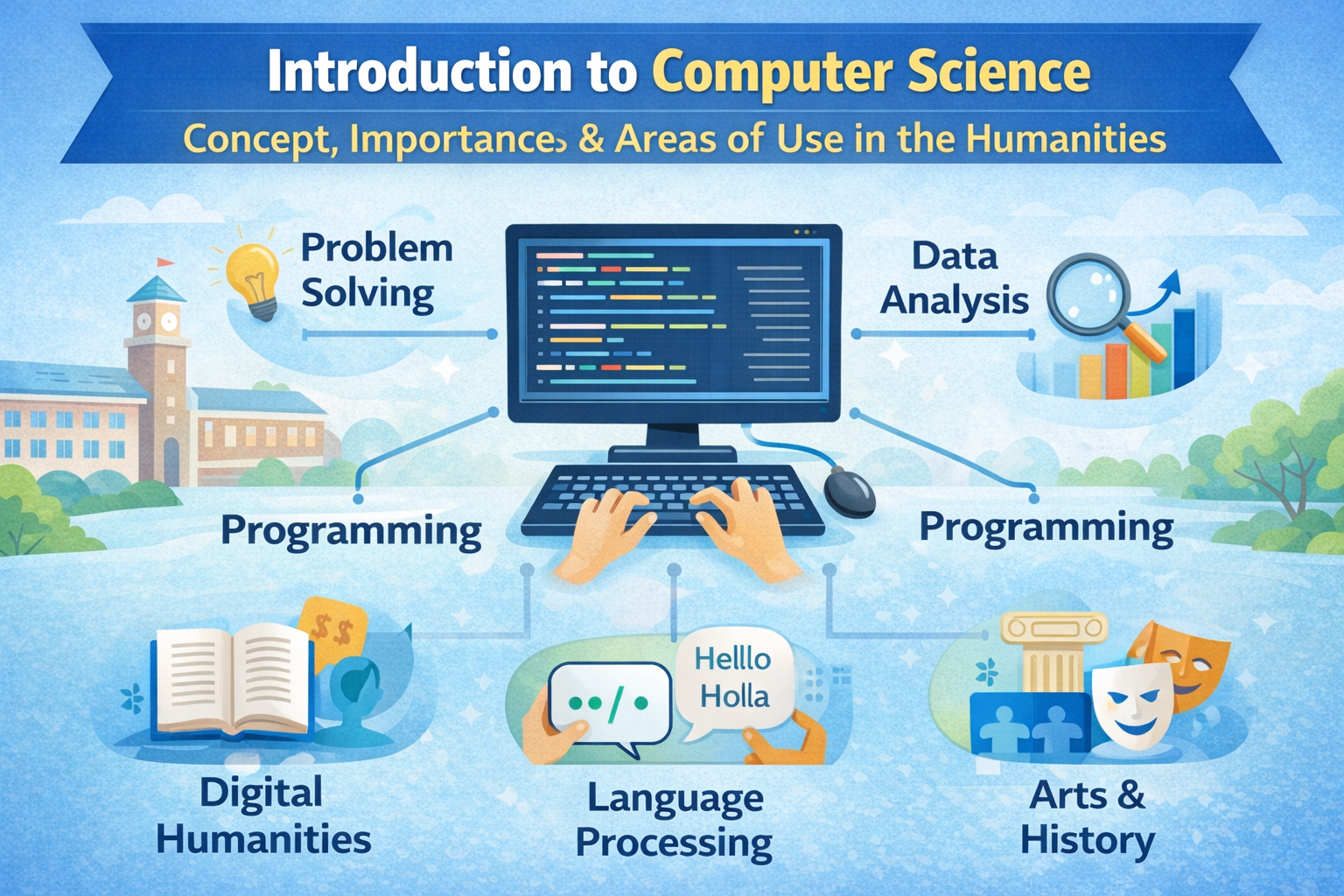
المحاضرة الأولى Introduction to Computer Science – its concept, importance, and areas of use in the humanities.
-
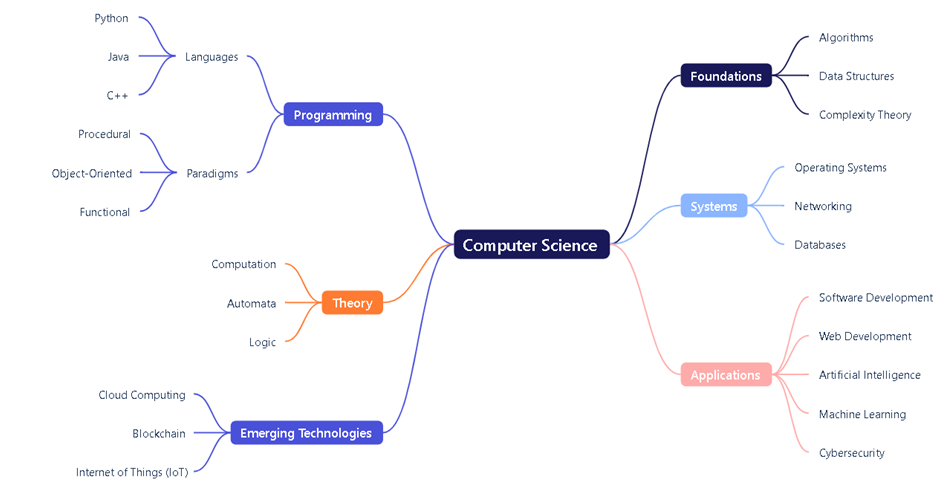
The main objective of this lecture is to introduce students to the concept of Computer Science and explain its fundamental principles.
It also aims to highlight the importance of Computer Science in modern life and its role in technological and scientific development.
Finally, it seeks to demonstrate how Computer Science can be applied in the humanities through fields such as linguistics, history, literature, and digital humanities. -
الموارد الثانوية عبارة عن كتب ومقالات يمكن الاعتماد عليها لثمين المعلومات المكتسبة من المحاضرة
-
ليكن في علم الطلبة أنه برمجت حصة تفاعلية عبر جوجل Meet وذلك يوم 03 نوفمبر 2025 على الساعة 16 مساء
-
-
Define Computer Science in your own words, and explain why it is considered an important field of study in today’s world, especially for students in the humanities.
-
Discuss two areas in the humanities (such as linguistics, literature, history, or sociology) where computer science can be applied. Give one concrete example for each area.
-
-
-
-
تكون الموارد الثانوية باللغة العربية والانجليزية لانها موجهة لطلبة الادب العربي والاطلاع عليها يساعد الطالب على فهم المحاضرة
-
-
-
Explain the difference between hardware and software. Give at least three examples of hardware components and three examples of software.
-
Describe the role of the main hardware components of a computer (such as the CPU, memory, and input/output devices) and explain how software helps these components work together.
-
-
-
ليكن في علم الطلبة أنه ستكون حصة تفاعلية عبر Google Meet وذلك يوم 09 نوفمبر 2025 على الساعة 16:00مساء عبر الرابط في الاسفل
-
Describe the main elements of the Windows operating system interface, such as the desktop, taskbar, start menu, and icons. Explain the function of each element. Explain how files and folders are managed in Windows. Describe the basic operations (creating, renaming, moving, deleting files and folders) and explain why file organization is important for efficient computer use.
-
-
-
Explain the basic steps to open a word processor (such as Microsoft Word) and create a new document. Describe how to type text and use basic editing tools.
-
Describe the different ways to save a document in a word processor. Explain the importance of choosing the correct file name and location when saving a document.
-
-
المحاضرة الخامسةFormatting Academic Papers: Titles, Margins, Paragraphs, and Insertions (Images, Tables, and More)
-
-
Explain the main formatting rules of an academic paper in a word processor, focusing on titles, margins, and paragraph formatting (alignment, spacing, indentation).
-
Describe how to insert and format images and tables in an academic document. Explain why correct insertion and formatting are important for clarity and academic presentation.
-
-
-
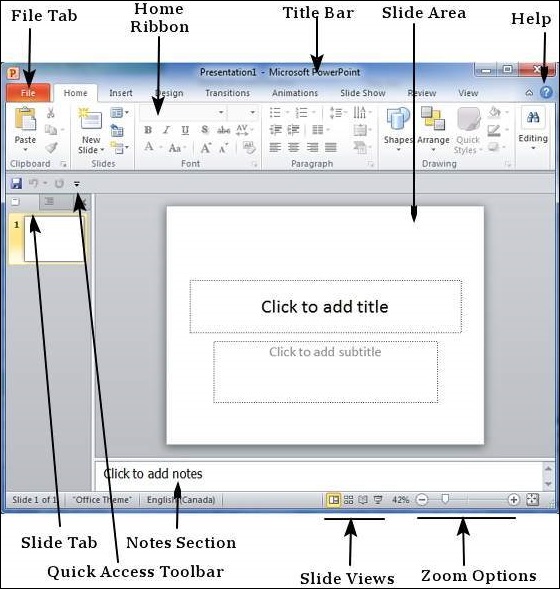
The main objective of this lecture is to introduce students to creating simple presentations using Microsoft PowerPoint. It aims to help them learn how to design slides, insert text and images, apply basic formatting, and organize content in a clear and professional way. It also seeks to develop students’ ability to present information effectively using visual elements and simple presentation tools.
-
-
What is Microsoft PowerPoint, and why is it used in presentations?
-
Mention three basic elements you can insert into a PowerPoint slide.
-
What is the difference between a slide transition and an animation in PowerPoint?
-
Explain the importance of using simple design and clear text in a presentation.
-
-
-
-
-
What is the difference between a normal search engine and an academic search engine?
-
Mention three academic search engines and explain how they help students in research.
-
Why is it important to evaluate the credibility of online sources when doing academic research?
-
-
-
-
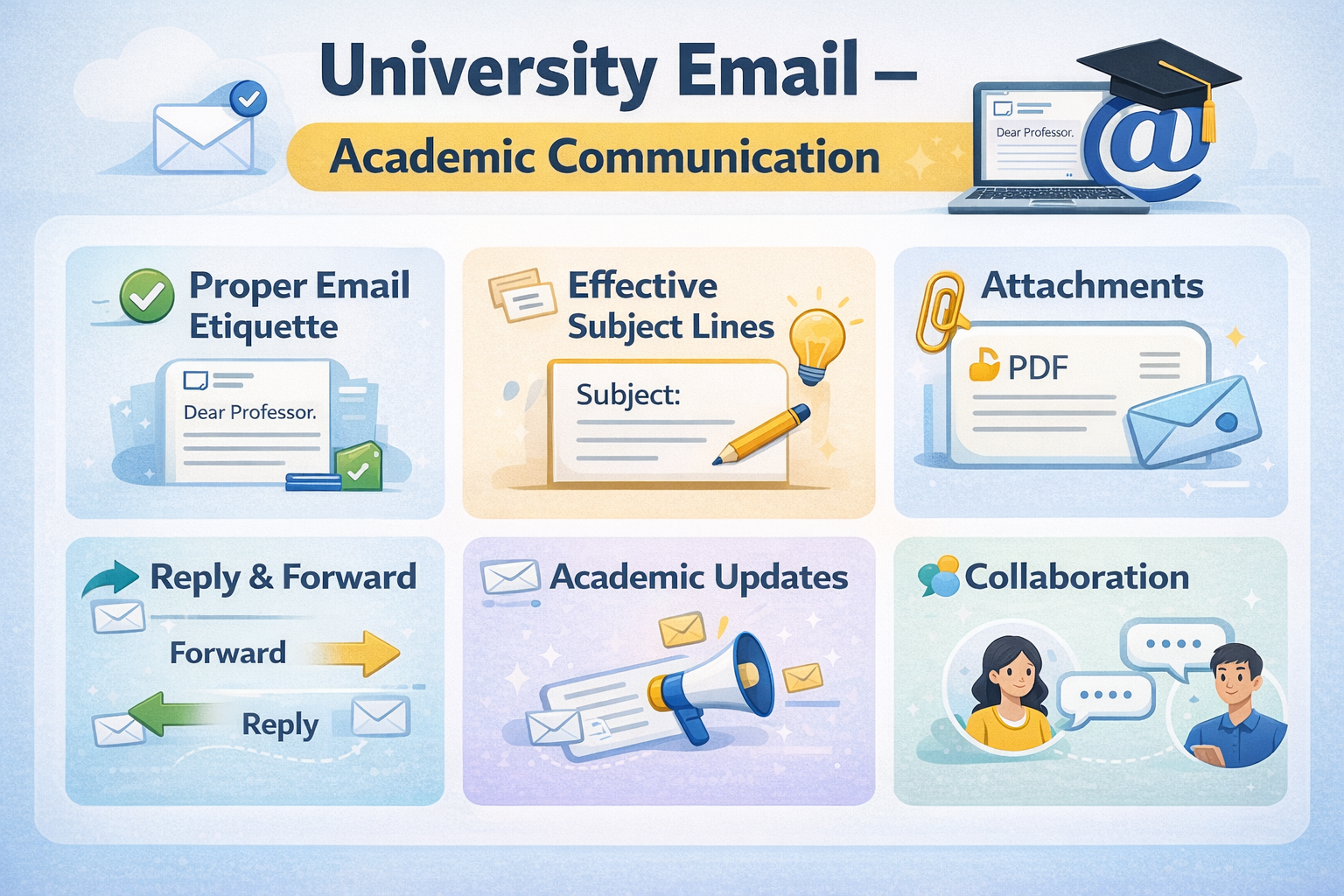
Why is using a university email important in academic communication?
-
List three basic rules for writing a formal academic email.
-
What is the difference between “Reply” and “Forward” in email communication?
-
Write a short formal email (4–6 sentences) to your professor requesting a meeting to discuss a course assignment. Make sure to include a clear subject line, a polite greeting, and a proper closing.
-
-
-
على الطلبة تقديم مشروع نهائي للمقياس يتضمن تقديم عرض بصيغة وورد أو باور بنت في ورقتين وتسلم عبر الايميل
-
-
-
Q1. Define Computer Science and explain its importance and main areas of use in the humanities.
Q2. List and describe the basic components of a computer, distinguishing between hardware and software.
Q3. Explain the main functions of an Operating System (Windows). Include details about the interface, file, and folder management.
Q4. Discuss the main features of a word processor. Describe how to open documents, type text, save files, and perform basic formatting.
Q5. Describe the steps and best practices for formatting academic papers, including titles, margins, paragraphs, and inserting images or tables.
Q6. Outline the process of creating a simple presentation using PowerPoint, including adding slides, text, images, and transitions.
Q7. Identify at least three internet research tools or academic search engines and explain their use in humanities research.
Q8. Explain the importance of university email in academic communication and provide examples of professional email usage.
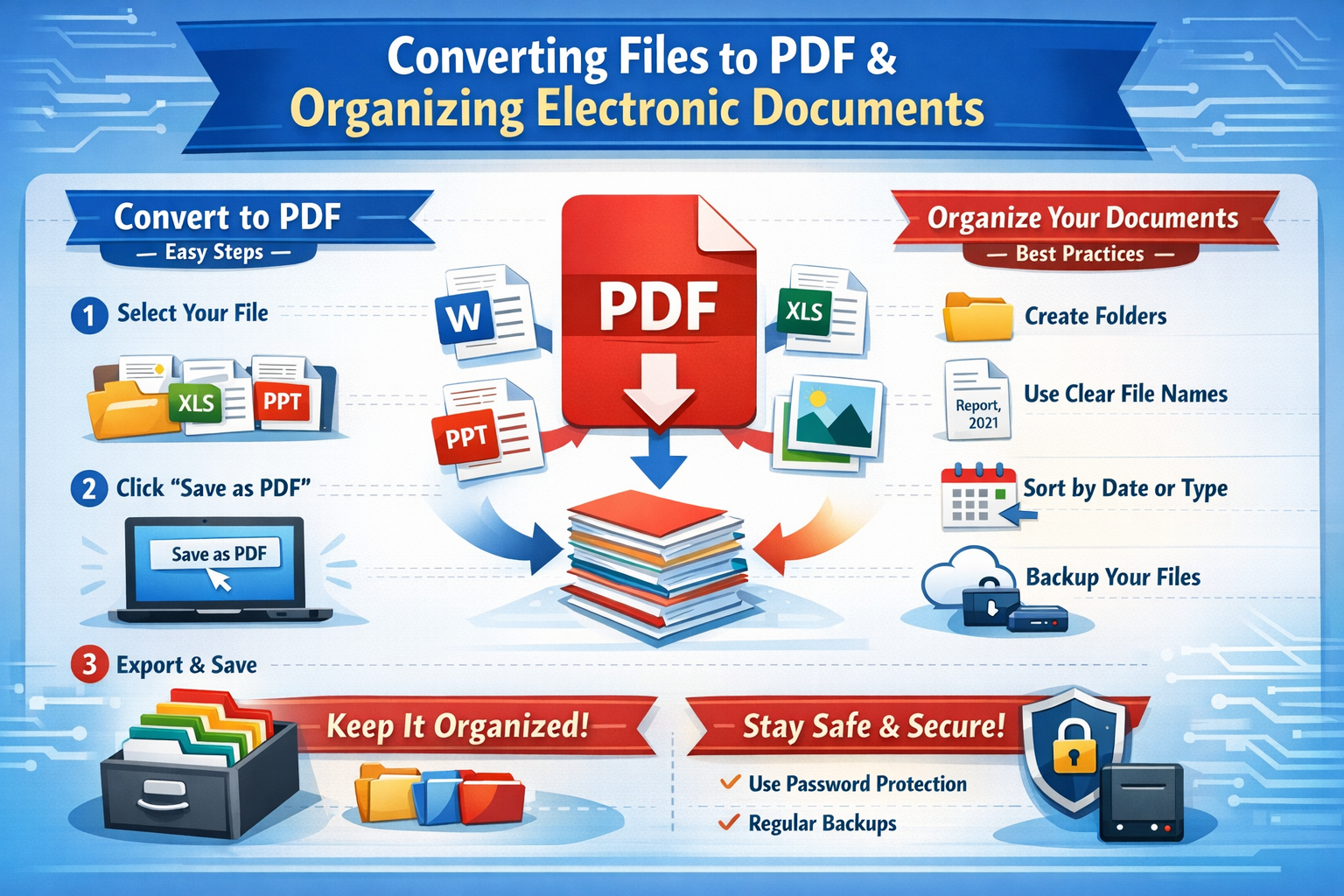
Q9. Describe the methods to convert files to PDF and organize electronic documents efficiently.
Q10. Explain basic digital security measures for protecting personal files and information on a computer.
Q11. Describe the use and advantages of digital libraries and academic book platforms for research.
Q12. Explain how to use cloud storage tools, such as Google Drive and Microsoft OneDrive, to store and organize academic work.
Q13. Discuss the role of Artificial Intelligence in literature and research, giving examples such as ChatGPT and grammar checking tools.
-
-
-
-
Al-Khalili, J. (2017). Computing: A Very Short Introduction. Oxford University Press, Oxford.
-
Elmasri, R., & Navathe, S. B. (2015). Fundamentals of Database Systems (7th ed.). Pearson Education, Boston.
-
Al-Kadi, A. (2014). Computer Applications for Humanities and Social Sciences. Dar Al-Fikr, Amman.
-
Al-Hijawi, B. (2015). Programming Concepts and Problem Solving. Dar Wael Publishing, Amman.
-
Al-Shaikh, A. (2013). Computer Basics and Operating Systems. Al-Obeikan Publishing, Riyadh.
-
Kamel, S., & Hussein, M. (2012). Management Information Systems: Concepts and Applications. Pearson Education, London.
-
Al-Bahra, K. (2016). Software Engineering: Principles and Practice. Springer, Berlin.
-
Al-Ali, J. (2011). Using Computers in Education. Gulf Publishing House, Kuwait.
-
Hassan, A. (2018). Information Technology for Academic Research. Dar Al-Manahij, Amman.
-
Al-Taie, M. (2017). Microsoft Word and Academic Writing. Noor Publishing, Saarbrücken.
-
Al-Rashid, F. (2019). Computer Skills for University Students. Arab Open University Press, Kuwait.
-
Abdulaziz, A., & Al-Ghamdi, M. (2016). Introduction to Computer Science and Programming. King Saud University Press, Riyadh.
-
-