Introduction to the sociology of organizations
Section outline
-
-

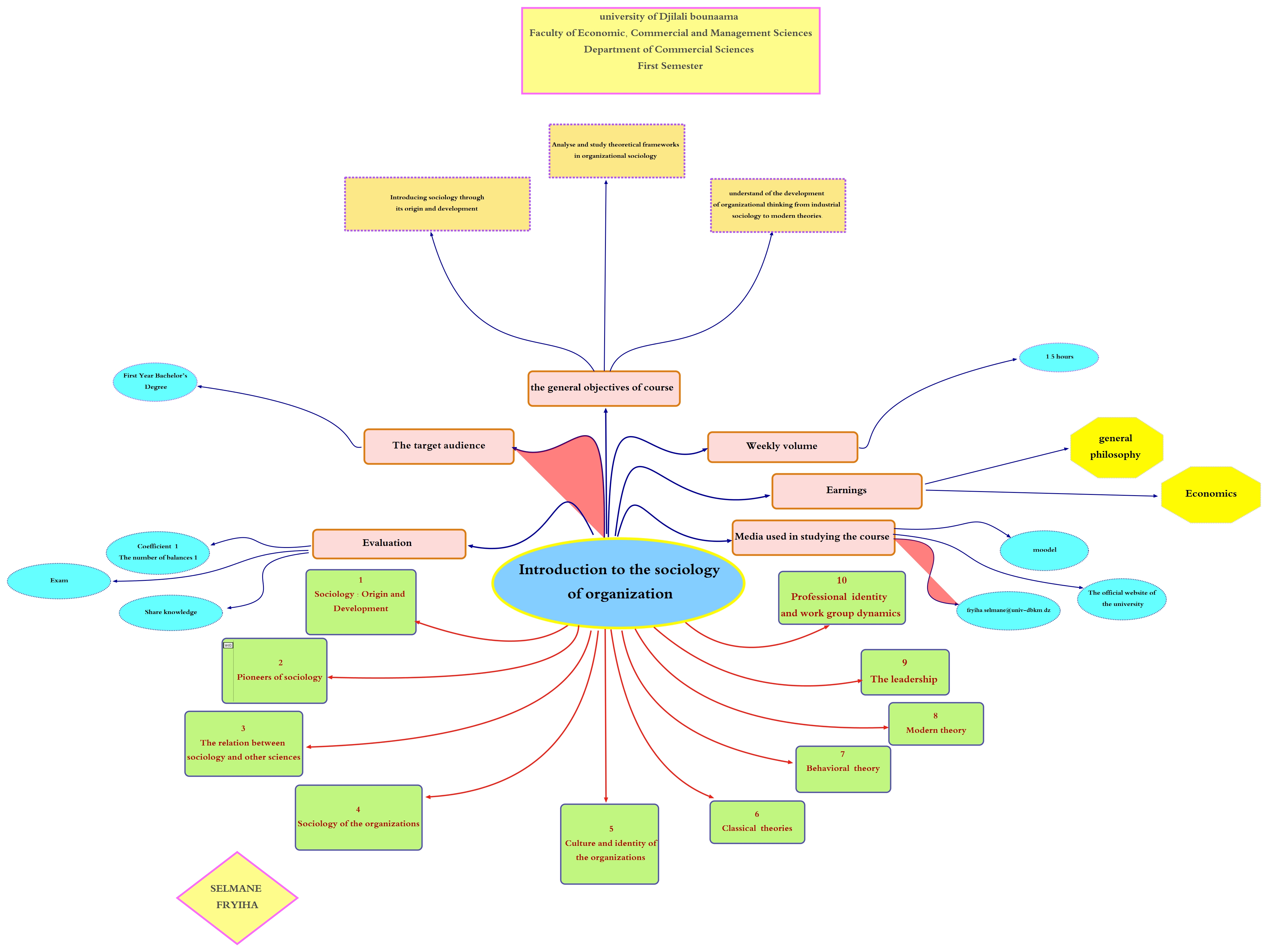
Introduction to the Sociology of Organizations seeks to achieve general objectives, through the content that we will review later, specifically for first-year bachelor’s students, prepared within the ministerial standard.The course contains ten theoretical chapters, starting with the sociology of organizations and ending with explanatory theories.
-

- Introducing sociology through its origin and development while evaluating its most important thinkers
- Analyse and study theoretical frameworks in organizational sociology through the contributions of organizing and working sociologists
- Understand the development of organizational thinking from industrial sociology to modern theories.
- Remember the students to models of sociological analysis of organizations.
-

Concepts acquired throughthe subject of general philosophy during the secondary school
-

Like every other scientific endeavour, thought and academic discipline (even the most abstract ones), sociology was developed at a particular point in history through carefully thought out intellectual reflections and an expression of current situations and predicaments in society at that time. And even though the discipline was coined in 1838 by Auguste Comte, sociological writings have a long background in history and are rooted in the works of philosophers.
-

Dear students, you can access the lectures by clicking on the files below
-

- Definition of sociology.
- The goals of sociology.
- Origin of sociology.
- Development of sociology.
-
- Ibn Khaldoun (1332-1406).
- Auguste comte (1798–1857).
- A Comparison of the Works of Ibn Khaldun and Auguste Comte.
-
- The relation between sociology and economics.
- The relation between sociology and other sciences.
-

- Origin of sociology of the organizations.
- Development of sociology of the organizations.
- Definition of sociology of the organizations.
- Fields of sociology of the organizations.
-

- The definition of the organizations.
- Culture of the organizations.
- Identity of the organizations
-

- Scientific Management Theory (Frederick Taylor)
- The theory of administrative divisions (Henri Fayol)
- Theory of bureaucracy (Max Weber)
-
- Theory of human relations
- Theory of administrative philosophy
- Decision Theory and Organizational Balance
- Motivation theory and needs
- Modified theories
-
Systems theory / situational theory / Z theory / Contemporary organizational thought ...
-
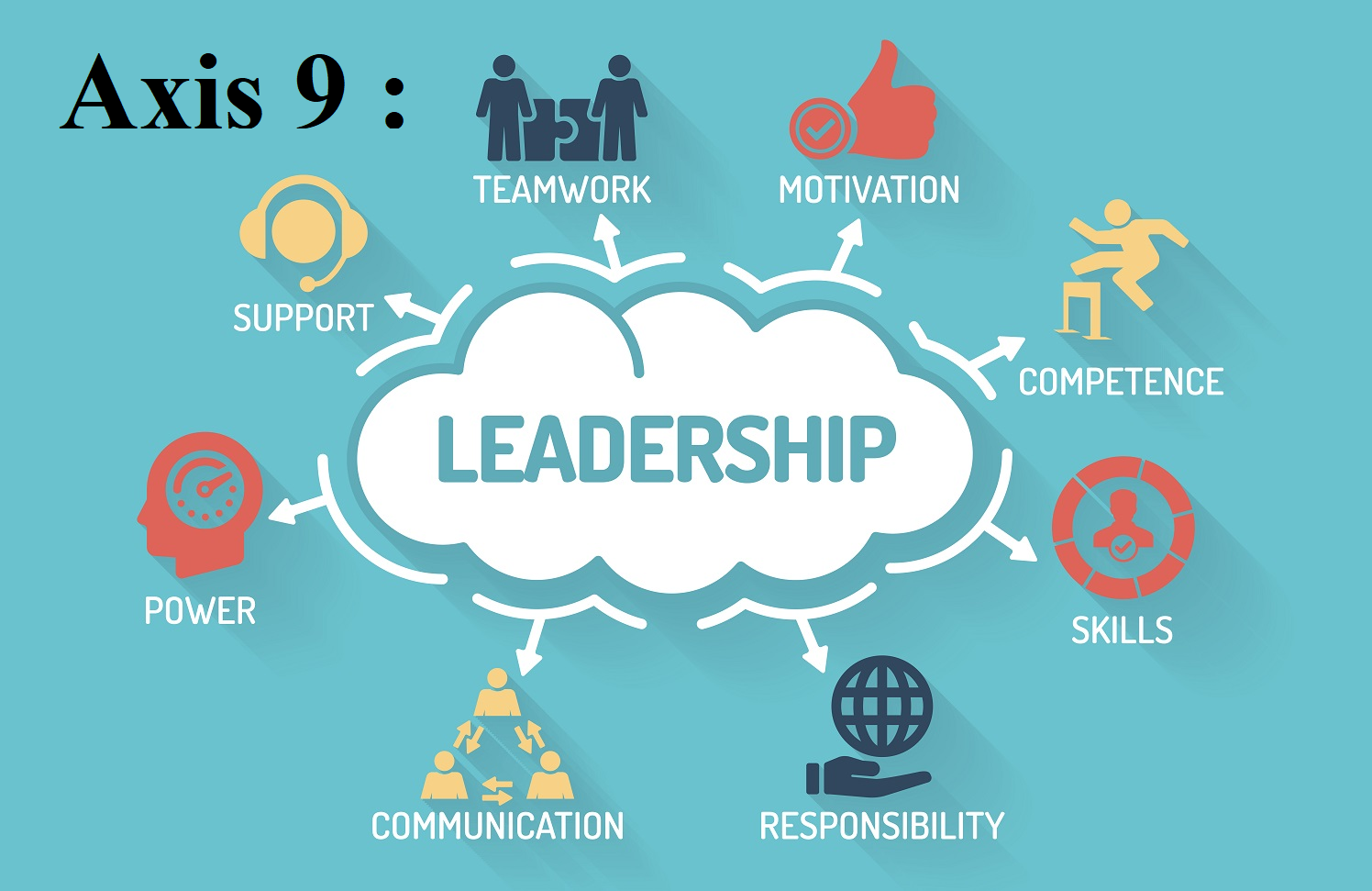
- Definition of leadership.
- Objectives of leadership.
- The leadership in the organizations