
Literature
Section outline
-
Contact Information and General Course Details
Djilali Bounaama University of Khemis Miliana

Faculty
Foreign Languages
Department
English Language
Level
L1
Specialty
English Language
Module
Study of Literary Texts
Teacher in Charge
Soumia Ournid
Category
TD
Semester
S2
Coefficient
1
Credit
2
Hourly Workload
1:30h per week
Email
-

-
-
مفتوح: الأحد، 5 أكتوبر 2025، 10:00 AMمغلق: الأحد، 5 أكتوبر 2025، 11:30 AMStudents mustالتأشير بأنه منجز

This is a virtual meeting with the instructor that intends to discuss the module’s content and objectives, clarify the assessment methods, and present the expected working methodology.
The meeting provides students with an opportunity to ask questions, clarify academic expectations, and gain a better understanding of the organization and conduct of the course activities in an environment that encourages interaction and open dialogue.
-
-
The learning objectives of Chapter One (Poetry)
At the end of this chapter, students will be able:
To understand poetry and poetic genres;
To analyze poetic structure; and
To differentiate between metrical feet.
-

This chapter provides an introductory foundation for literary studies, specifically focusing on the genres of poetry. It aims to explore the latter in terms of form and content, detailing essential sound devices and figurative language, while also categorizing various narrative and lyric forms.
-

This virtual meeting is intended to review and discuss the knowledge acquired in Chapter One. Students are encouraged to participate actively by asking questions, sharing their understanding, and engaging in discussions to reinforce the key concepts covered in the chapter.
-

This forum is dedicated to questions related to the first chapter. Students are asked to post all their questions, requests for clarification, or comments related to the content of this lecture here to facilitate discussion and academic support.
-

Which of the following descriptions accurately defines "objective poetry" (narrative poetry)?
-
-

The learning objectives of Chapter Two (Drama)
At the end of this chapter, students will be able:
To define basic dramatic divisions;
To identify types of dramatic speech; and
To conduct a literary analytical study.
-

This chapter explains the structural components of plays and the diverse types of theatrical speech. To illustrate these dramatic concepts, the text features a comprehensive literary analysis of Henrik Ibsen’s A Doll’s House. This case study examines how themes of gender inequality and identity are portrayed through realistic stage directions and character development. Altogether, these materials serve as a pedagogical guide for students to identify and interpret the technical elements of creative literature.
-
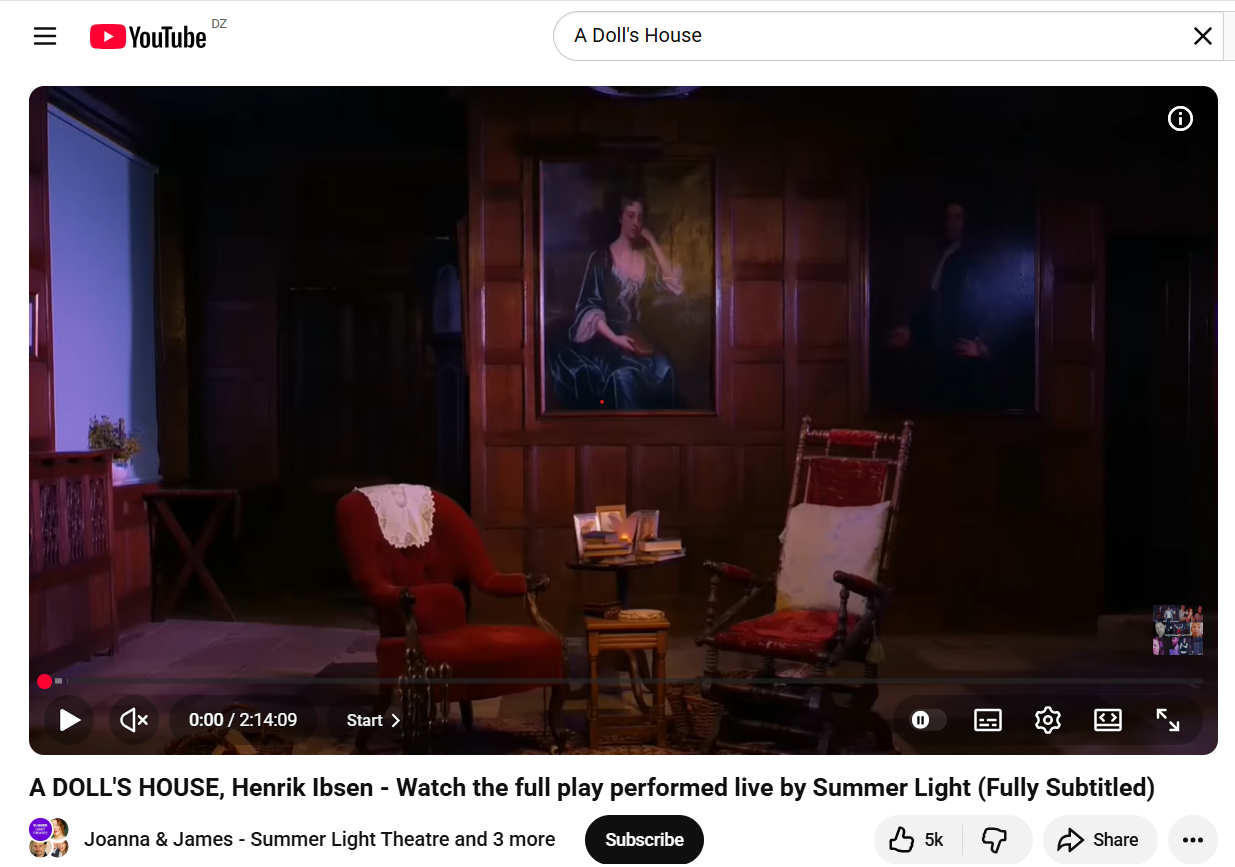
A Doll's House is a three-act play written by Henrik Ibsen and first published in 1879. It is considered one of the most influential works of modern drama.
The play centers on Nora Helmer, a seemingly happy wife and mother who gradually realizes that her marriage is based on control and appearances rather than equality and mutual respect. As the story unfolds, Nora confronts difficult truths about her husband, herself, and the limited role society expects women to play.
You can watch the plau through the following link:
-

This virtual meeting is intended to review and discuss the knowledge acquired in Chapter Two. Students are encouraged to participate actively by asking questions, sharing their understanding, and engaging in discussions to reinforce the key concepts covered in the chapter.
-

This forum is dedicated to questions related to the second chapter. Students are asked to post all their questions, requests for clarification, or comments related to the content of this lecture here to facilitate discussion and academic support.
-

Writing and Performing a Short Play
Working in groups of 4 to 6 students, write and perform an original short play. Your performance must demonstrate at least three different types of dramatic speech (e.g., dialogue, monologue, soliloquy, or aside). Be creative while ensuring that each type of dramatic speech is used appropriately and effectively.
-
-
The learning objectives of Chapter Three (Fiction)
At the end of this chapter, students will be able:
To distinguish between different types of narrators;
To categorize fictional characters in terms of various criteria; and
To illustrate the five stages of the plot
-

This chapter defines fiction and offers a comprehensive framework for literary analysis by categorizing essential fictional elements in addition to various narrative points of view. Moreover, the text outlines the traditional five-stage narrative arc and employs excerpts from classic authors to illustrate how these concepts function in practice
-

This forum is dedicated to questions related to the third chapter. Students are asked to post all their questions, requests for clarification, or comments related to the content of this lecture here to facilitate discussion and academic support.
-

This virtual meeting is intended to review and discuss the knowledge acquired in Chapter Three. Students are encouraged to participate actively by asking questions, sharing their understanding, and engaging in discussions to reinforce the key concepts covered in the chapter.
-

Which specific stage of the plot is defined as the "turning point" where the main character's fate is typically changed?
-
-
-
فتحت: الاثنين، 15 ديسمبر 2025، 12:00 AMتستحق: الأربعاء، 31 ديسمبر 2025، 12:00 AM
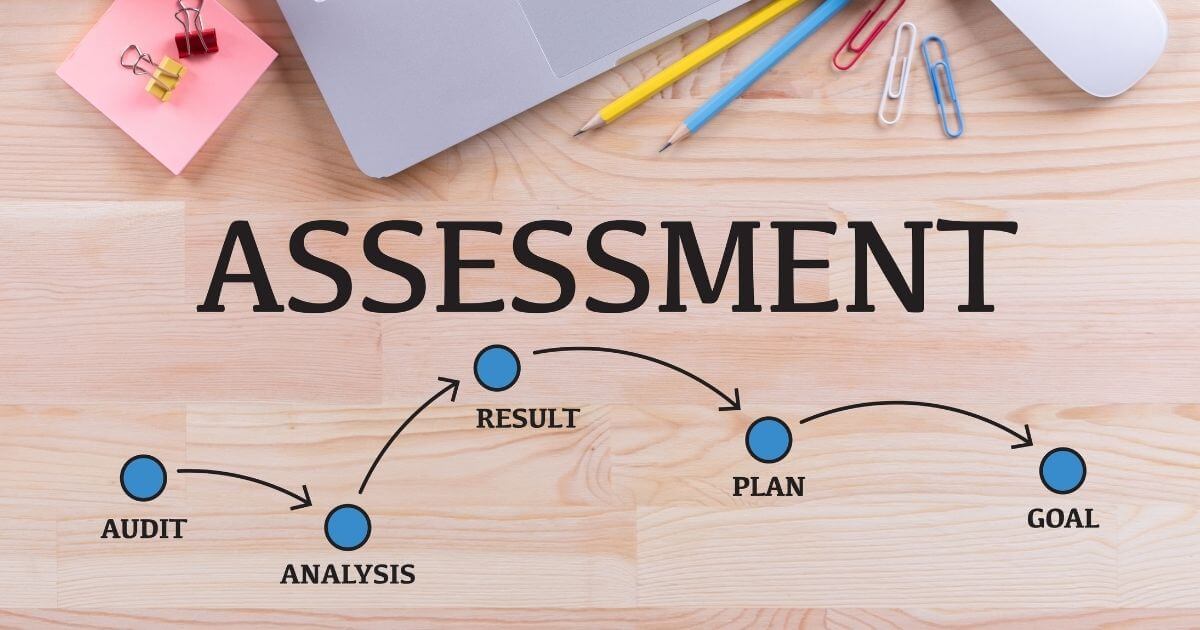
This written test aims to evaluate students' ability to compare and contrast the three primary literary forms in a coherent paragraph. You are expected to support your discussion with relevant examples from the literary works studied in class.
-
مفتوح: الأحد، 4 يناير 2026، 5:00 PMمغلق: الأحد، 4 يناير 2026، 6:00 PMThis quiz aims to assess the learner’s understanding of the three primary literary forms by testing students’ ability to identify their key characteristics and distinctions. It is designed to reinforce essential concepts and engagingly evaluate the acquired knowledge.
-