
Chimie organique
Section outline
-
-
Organic chemistry is a vital branch of chemistry that focuses on the study of carbon-containing compounds. It is concerned with the structure, properties, reactions, and synthesis of organic compounds.
This course titled 'Organic Chemistry,' intended for second-year process engineering students, is divided into a set of learning units that allows students to acquire fundamental knowledge about organic compounds, their structures, nomenclature, and their chemical and physical properties
-
-
-

- Course Instructor: SID ALI Lamia
- Contact: l.sid-ali@univ-dbkm.dz
- Coefficient: 03
- Credits: 05
- Total Hours: Course 1h30 ; Tutorial 1h30 ; Lab work 1h30
- Assessment Method: 60 % Exam + 20 % Turorial + 20% Lab work
-
-
-

At the end of this course the learner will be able to:
· Learn the basics of organic chemistry with the aim of refining knowledge on the relationships that exist between molecular structure and reactivity and on the mechanisms of reactions.
· Study and describe the different methods of synthesizing organic compounds (small molecules or macromolecules).
· Have knowledge in the field of separation and characterization of synthesized products, using heavy scientific techniques and equipment.
· Extract the natural compounds, particularly the plant compounds, and determinate of their chemical structures.
-
-
-
You will need to have the following knowledge and skills to be able to start this module:
· Know the different constituents of the atom.
· Master the periodic classification of chemical elements (Elements of the periodic table, carbon atom, chemical bonds).
-
-
-
-
Opened: Saturday, 19 October 2024, 12:00 AMDue: Saturday, 26 October 2024, 12:00 AM
-

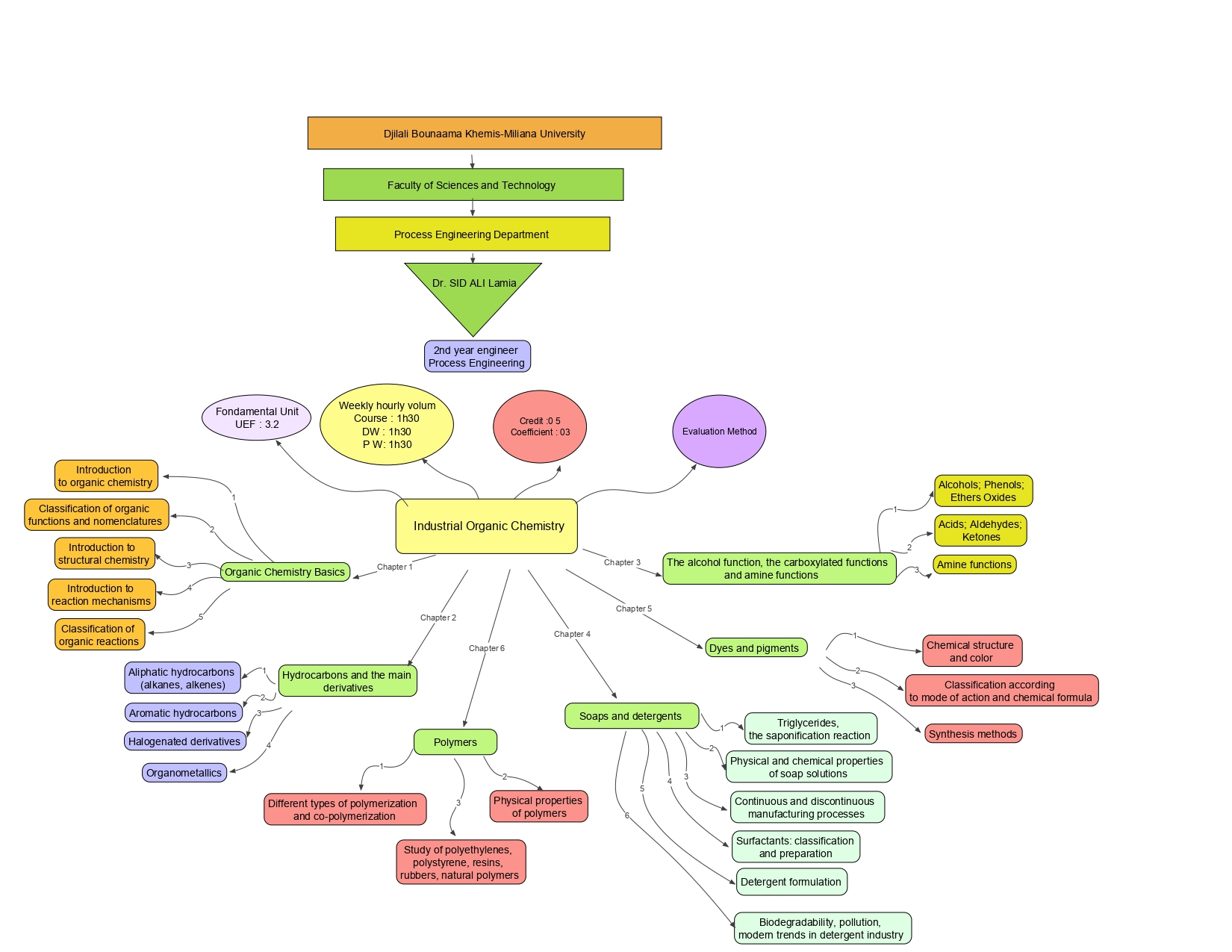
Chapter 1: Organic Chemistry Basics
1. Chapter 2: Hydrocarbons and the main derivatives
1. Chapter 3: The alcohol function, the carboxylated functions and amine functions
1. Chapter 4: Polymers
1. Chapter 5: Soaps and detergents
1. Chapter 6: Dyes and pigments
1.
-
-
-
-
Objectives:
At the end of this practical work, the student will be able to:
- Understand the Scope of Organic Chemistry.
- Recognize the Structure and Classification of Organic Compounds.
- Learn the Nomenclature of Organic Compounds
-
Opened: Saturday, 19 October 2024, 12:00 AMDue: Saturday, 26 October 2024, 12:00 AM
-
-
-
Objectives:
At the end of this chapter, the student will be able to:
- Understand the Classification and Structure of Hydrocarbons
- Learn the Nomenclature of Hydrocarbons
- Understand the Physical and Chemical Properties of Hydrocarbons
- Explore the Reactivity and Chemical Reactions of Hydrocarbons
-
Opened: Saturday, 26 October 2024, 12:00 AMDue: Saturday, 9 November 2024, 12:00 AM
-
-
-
Objectives:
At the end of this chapter, the student will be able to:
- Understand the structure and classification
- Apply IUPAC rules for naming alcohols, carboxylic acids, and amines.
-
Opened: Tuesday, 19 November 2024, 12:00 AMDue: Tuesday, 26 November 2024, 12:00 AM
-
-
-
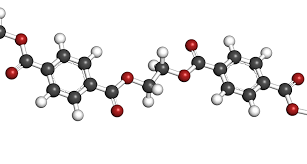
Objectives:
At the end of this chapter, the student will be able to:
- Understand the Basic Concepts of Polymers.
- Learn the Types of Polymerization.
- Explore the Classification and Properties of Polymers.
- Study the Properties and Applications of Important Polymers.
- Understand Polymer Degradation and Environmental Impact
-
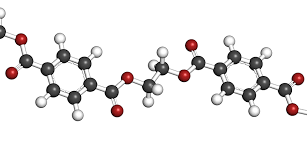
Objectives:
At the end of this chapter, the student will be able to:
- Understand the Basic Concepts of Polymers.
- Learn the Types of Polymerization.
- Explore the Classification and Properties of Polymers.
- Study the Properties and Applications of Important Polymers.
- Understand Polymer Degradation and Environmental Impact
-
-
-
-
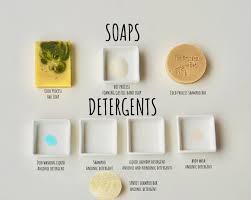
Objectives:
At the end of this chapter, the student will be able to:
- Define and Differentiate Soaps and Detergents.
- Understand the Chemistry of Soap and Detergent Production.
- Explain the Mechanism of Cleaning Action.
- Explore the Types and Applications of Soaps and Detergents.
- Assess the Environmental and Health Impacts.
-
Opened: Monday, 9 December 2024, 12:00 AMDue: Tuesday, 17 December 2024, 12:00 AM
-
-
-
-
Opened: Sunday, 19 January 2025, 12:00 AMDue: Sunday, 26 January 2025, 12:00 AM
-
-
-
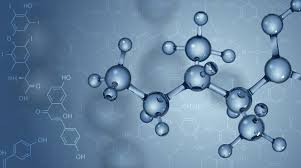 The organic chemistry practical work aims to introduce students to the fundamental techniques used in organic chemistry (extraction, distillation, recrystallization, chromatography).
-
-
-

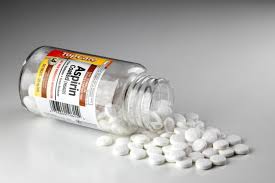
Experiment 01: Synthesis of Aspirin
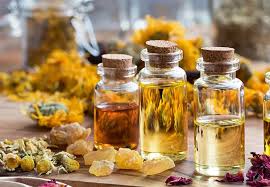
Experiment 02: Extraction of essential oil from Thyme by Clevenger-type hydrodistillation
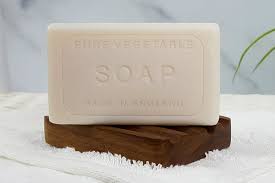
Experiment 03: Soap preparation
Experiment 04: Preparation of a Hydroalcoholic Gel
-
-
-
-
Opened: Wednesday, 19 February 2025, 12:00 AMDue: Wednesday, 26 February 2025, 12:00 AM
-
-
-
-
Opened: Tuesday, 19 November 2024, 12:00 AMDue: Tuesday, 26 November 2024, 12:00 AM
-
-
-
-
Opened: Wednesday, 19 February 2025, 12:00 AMDue: Wednesday, 26 February 2025, 12:00 AM
-
-
-

-
Opened: Monday, 25 November 2024, 12:00 AMDue: Saturday, 7 December 2024, 12:00 AM
-
-
-