Maintenance et fiabilité (2025-2026)
Section outline
-
-
Dear All,
As part of our ongoing commitment to operational excellence, we are focusing on enhancing our maintenance and reliability practices across all departments. This initiative aims to ensure that our equipment operates at optimal levels, reducing downtime and improving overall productivity.
Key objective
-
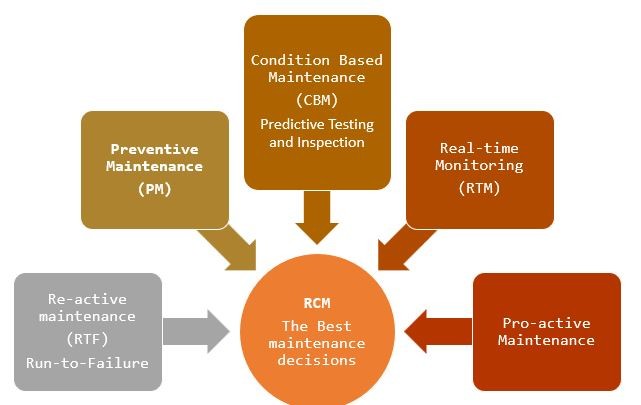
Reliability maintenance: Implement a proactive approach to predict potential failures, allowing for scheduled maintenance during non-production times. This strategy will extend the lifespan of equipment, improve safety, and reduce repair costs.
-
Reliability centered maintenance (RCM): Analyze root causes of equipment failures to optimize maintenance programs. RCM ensures cost-effective outcomes by matching assets with the most appropriate maintenance techniques.
Benefits:
-
Increased efficiency: Regular inspections and timely repairs will keep equipment in top condition, leading to higher output quality.
-
Safety enhancement: Well-maintained machinery reduces the risk of accidents and ensures a safer working environment.
-
Cost saving: By preventing major breakdowns, we minimize costly repairs and production delays.
Implementation Plan
- Asset identifiacation: Identify critical assets essential for daily operations.
-
Risk assessement: Evaluate potential risks associated with asset failure.
-
preventive maintenance plans: Develop detailed plans for each asset.
-
Implementation and monitoring: Execute plans effectively while tracking key performance indicators (KPIs) such as mean time between failures (MTBF), mean time to repair (MTTR), and planned maintenance percentage.
We encourage all departments to support this initiative by fostering a culture of reliability-focused practices within their teams.
Dr Cherifa KARA MOSTEFA KHELIL
Lectrurer-researcher at Khemis Milana university , Algeria
-
-
-
This course was designed for 3rd year students in the Automatics licence program.

-
-
-
Maintenance and reliability share the common goal of ensuring assets function correctly. Reliability maintenance specifically aims to increase the lifespan of equipment and ensure machines perform at their optimal level for as long as possible, which improves operational effectiveness and enhances safety. A well-maintained machine is less likely to malfunction, reducing the risk of workplace accidents.
-
-
-
Teacher’s presentationName: KARA MOSTEFA KHELILFirst name: ChérifaE-mail: karasolar@yahoo.fr, k.karamostapha@univ-dbkm.dz, karamostefa_cherifa@univ-blida.dz, Additional information on the teaching unitcoefficient: 1Credit: 1VHS: 22:30 HVHH: 01:30Evaluation methods: Exam 100%final exam Support modalities:- I remain reachable in person or by email to answer all questions from my students and any other people interested in my course.
-
-
-
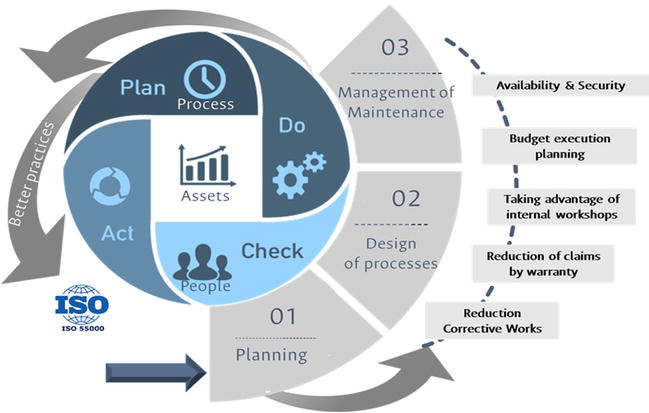
Prerequisites for effective maintenance and reliability include several key elements that ensure optimal asset performance. First, there must be a clear identification of maintenance needs based on the criticality and performance history of assets. This is complemented by planning and scheduling maintenance activities to align with operational requirements. Additionally, employing advanced strategies such as predictive maintenance and root cause analysis can significantly enhance reliability. Training and skill development for the workforce are crucial, ensuring personnel can execute maintenance tasks effectively. Finally, integrating a Computerized Maintenance Management System (CMMS) helps streamline operations and resource management, enabling organizations to maintain high levels of reliability and minimize downtime.
-
-
-
Chapter 1: The maintenance function.
Chapter 2: Mechanism and failure modes.
Chapter 3: Quantitative maintenance analysis.
Chapter 4: Diagnosis.
Chapter 5: Predictive failure analysis.
-
-
-
-
-
-