
Workload processing
Section outline
-
-
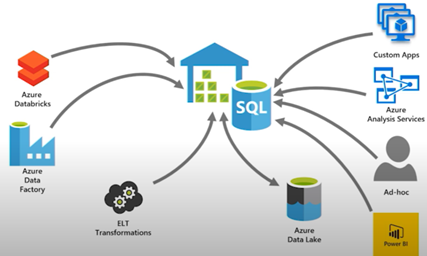
A workload represents the amount of computational power or resources required for a specific task, such as the processing power, memory, storage, or network capacity needed to run applications or processes. It can also refer to the distribution of tasks across multiple systems, especially in cloud computing or distributed environments.
-
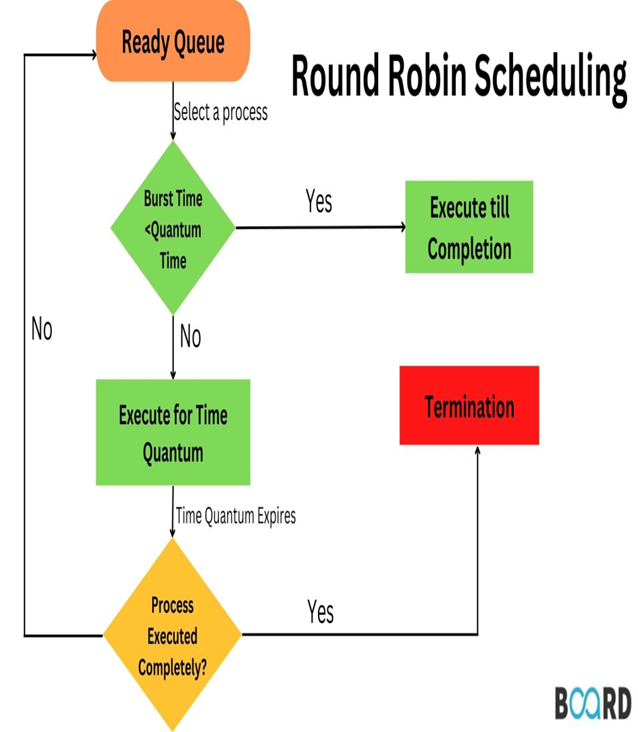
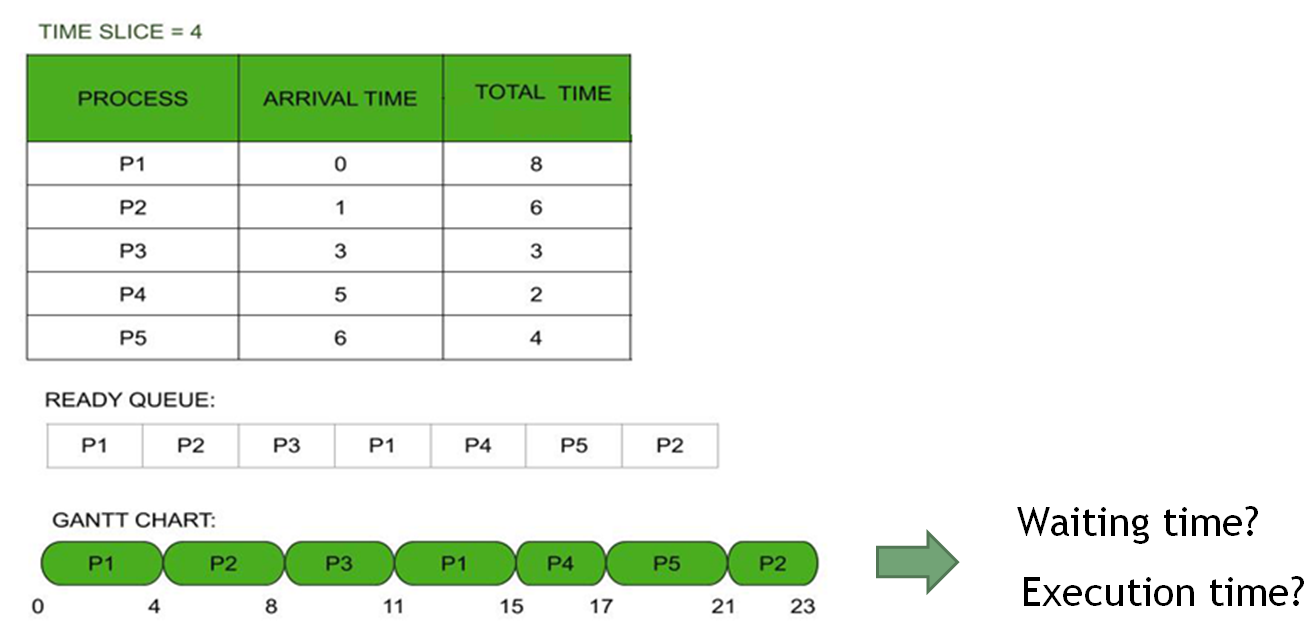
The Round-Robin (RR) algorithm is a simple and widely used scheduling technique in computer systems. It allocates resources or executes processes in a cyclic order, ensuring that each task gets an equal and fair share of the resource for a specific time slice, called a quantum (or time slice).
Uses of RR in reality
-
CPU Scheduling: Time-sharing systems to distribute CPU time among processes.
-
Network Packet Scheduling: Handling data packets in routers.
-
Resource Allocation in Virtualized Environments: Allocating CPU or network resources among virtual machines.
-
Advantages
-
Fair Resource Allocation: All processes are treated equally.
-
Simplicity: Easy to implement and understand.
-
Prevents Starvation: Each process gets a chance to execute.
Disadvantages
-
Context Switching Overhead:Frequent process switches require the system to save and load the state of each process, which uses extra time and resources, reducing efficiency.
-
Performance Dependent on Quantum:
-
If the quantum is too small, overhead increases.
-
If the quantum is too large, response time for short tasks may increase.
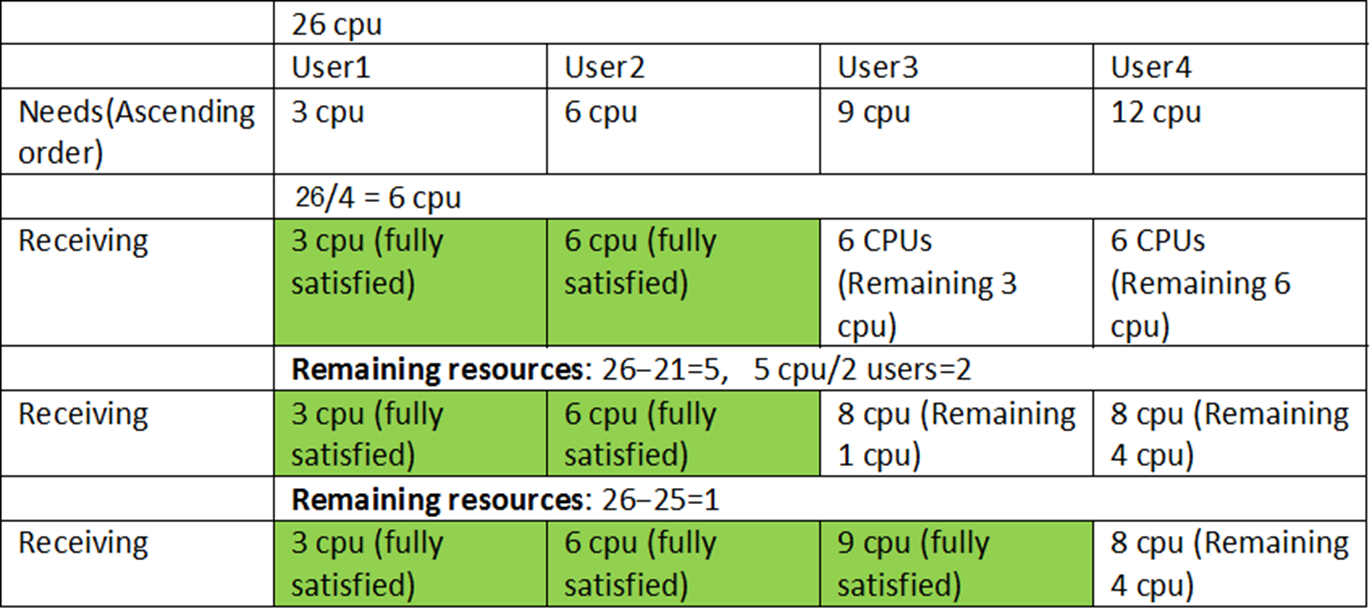
Max-Min Fairness is a resource allocation principle used to ensure a fair distribution of resources among users or processes. It aims to maximize the allocation for the process or user with the minimum resource share, thereby promoting equity while avoiding resource starvation.
Applications
-
Network Bandwidth Allocation: Distributing network bandwidth among multiple users or devices.
-
CPU Scheduling: Allocating processor time among competing processes.
-
Cloud Computing: Fairly distributing computational or storage resources among tenants.
-
-