
Section outline

    • What It Means

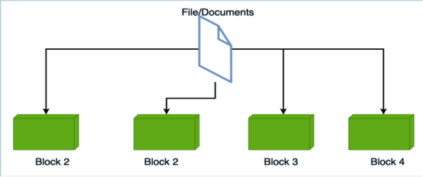
      Instead of processing all data on a single computer, the work is divided among several machines (called nodes) connected in a network. Each node processes its part of the data and sends the results back to a central system or combines them for the final output.

      Why It's Useful

      • Speeds up processing for large datasets.

      • Handles more data than a single machine can manage.

      • Improves fault tolerance: if one machine fails, others can continue working.
      • Real-time vehicle tracking; traffic management; geofencing.
      • Medical IoT.
      • Credit card fraud/account takeover detection.
      • Real-time stock market quotes management.
      • Automated real-time anomaly recognition for manufacturing/oil&gas industries.
      • Connected smart appliances.
      • Online video games.
      • XaaS
      • Data Distribution and Partitioning: Deciding how to divide the data across nodes to ensure balanced workload and minimize data transfer between nodes.

      • Data Consistency: Maintaining data consistency across distributed systems, especially in the face of updates or system failures.

      • Fault Tolerance: Ensuring the system continues to function despite hardware or software failures.

      • Network Latency and Bandwidth: High latency and limited bandwidth can hinder performance when transferring data between nodes.

      • Scalability: Choose scalable frameworks and ensure the architecture supports horizontal scaling.

      • Data Security and Privacy: Protecting sensitive by the encryption, access control, and secure communication protocols mechanisms.

      • Complexity in Development: Developing distributed applications is more complex due to the need for synchronization, debugging, and coordination.