
DeadLock
Section outline
-
-
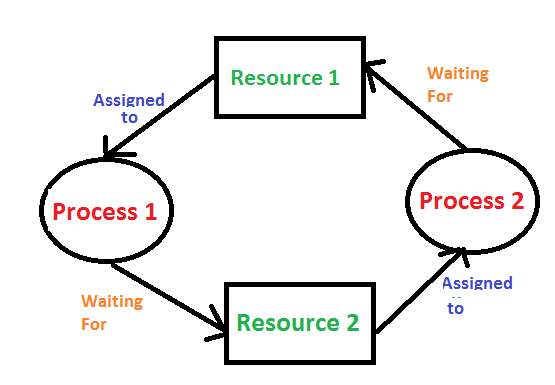
In this chapter, we delve into the crucial concept of deadlock prevention within the realm of process management in operating systems. We explore various strategies that can be implemented to ensure that system resources are allocated efficiently, thereby avoiding the pitfalls of deadlock scenarios. By understanding and applying these techniques, we aim to enhance the reliability and performance of operating systems. This chapter provides a comprehensive overview of the principles, methodologies, and practical applications of deadlock prevention to equip readers with the tools they need to effectively manage system resources.
-
In this chapter we will see the fundamental concepts of Inter‑Process Communication (IPC) in operating systems. We will see how IPC enables processes to coordinate, share data, and synchronize execution. We will see six main IPC mechanisms—shared memory, memory mapping, pipes, named pipes, message queues, and sockets—each with distinct characteristics. We will see the advantages and disadvantages of these methods, along with their implementation steps. Finally, we will see how to compare efficiency, scope, and complexity in order to select the most appropriate IPC technique for real‑world scenarios.
-