
In the Writing portion of the workshop, students function as authors. They move through the complete writing cycle—generating ideas, drafting, revising, editing, and publishing—while exploring various genres such as narrative, information, and argument. In the Reading portion, students are immersed in "book-rich" environments where they practice specific comprehension strategies through independent reading and "book talks." The core of this course is the Mini-Lesson, followed by large blocks of independent work time where the teacher provides individualized coaching through one-on-one conferences. By the end of the course, students will have developed a portfolio of original work and a deep repertoire of strategies for navigating complex texts.

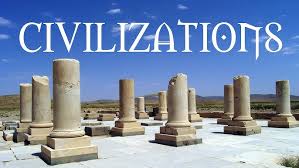
Civilization refers to an advanced stage of human society characterized by the development of cities, organized government, social institutions, culture, writing, and economic systems. It reflects how people live together, share values, create laws, produce knowledge, and interact with their environment. Through civilization, human societies express their achievements in art, science, technology, and social organization, shaping both their identity and historical progress.




The course deals with the relationship between language and Social Variables as well as it tackles the different theories of pragmatics. 

This module provides a comprehensive introduction to the science of teaching, focusing specifically on the unique challenges and methodologies of the English Language Teaching (ELT) classroom. It moves beyond mere theory; it encourages reflective practice. Students are expected to constantly connect "The Why" (Theory) with "The How" (Practice), evaluating how different methodologies impact the student-teacher-content relationship.